Professional Richmond Top Home Architecture Services for New Home Construction
Transform Your Home With Professional Architectural Design Services
Enhancing a home through expert architectural solutions involves more than just visual appeal. It demands a deep comprehension of practical design principles and regional construction regulations. Collaborating with an seasoned architectural professional can address typical obstacles while improving property worth. The process is organized and thorough, guaranteeing that every detail aligns with the homeowner's goals. Yet, many homeowners find it difficult to maneuver through this journey effectively. What steps can they take to establish a successful collaboration?
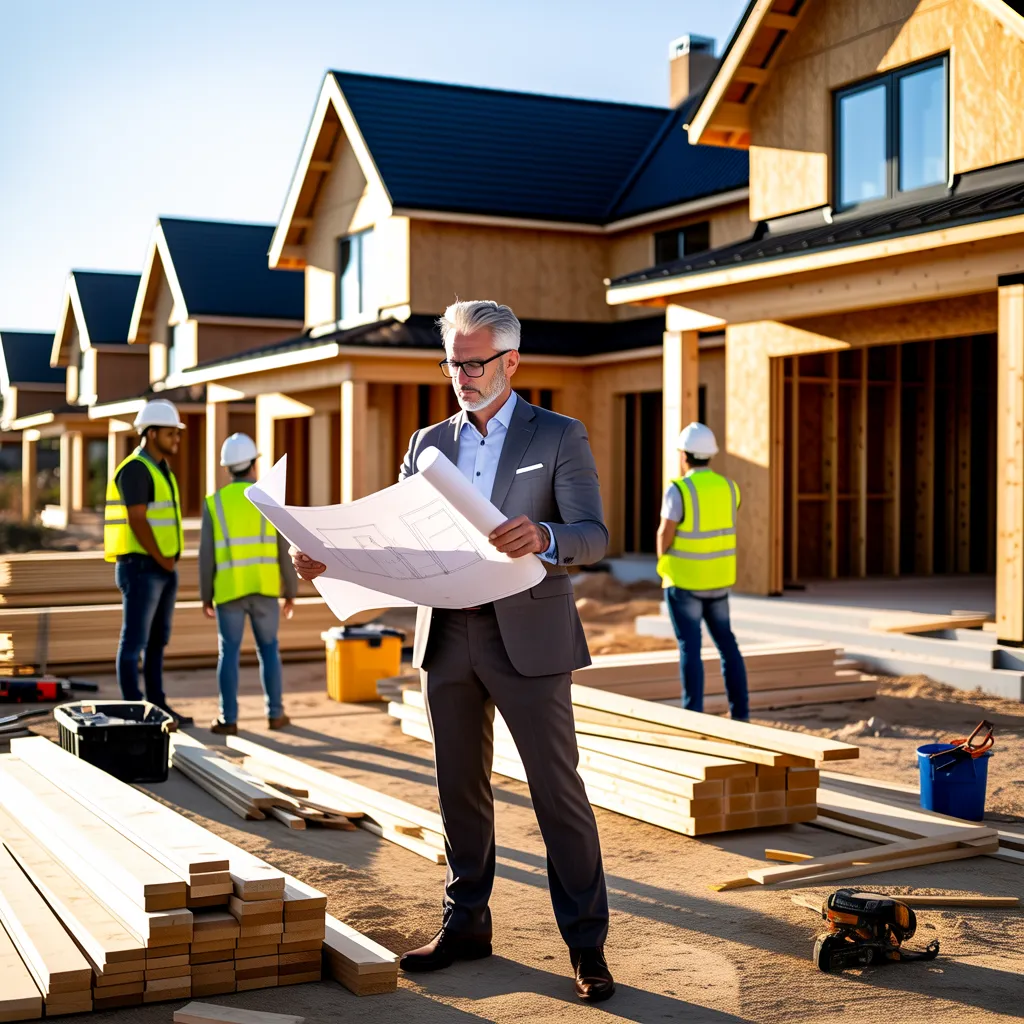
Standard Home Design Snags and Strategies Architects Tackle Them
Why is home design so demanding for numerous homeowners? The difficulty of aligning aesthetic choices with practical needs often overwhelms them. Homeowners regularly deal with spatial constraints, budget restrictions, and regulatory standards, rendering the design process difficult. Additionally, many are short of the technical knowledge required to tackle building considerations and building codes.
Architects hold an fundamental role in tackling these hindrances. Their professional preparation outfits them to navigate the intricacies of design, assuring that a dwelling owner's vision aligns with tangible circumstances. Architects can furnish inventive remedies to enhance space while maintaining safety codes. They also facilitate in constructing harmonious designs that represent the homeowner's character. By offering wisdom into fabrics and erection methods, architects facilitate hasten the deliberation undertaking. Ultimately, their expertise transforms a seemingly intimidating quest into a shared progression, fostering a sound balance between imaginativeness and practicality in home design.
Reasons to Work With a Professional Architect
Collaborating with a skilled designer improves the home design experience by integrating specialized insight with the client's vision. Architects offer a vast array of skills in design standards, building codes, and green building techniques, guaranteeing that the development not only meets aesthetic goals but also adheres to standards. Their skill in envisioning and communicate complex ideas aids in converting theoretical ideas into physical blueprints.
Furthermore, architects can provide cutting-edge solutions to design barriers, perfecting layout and functionality. They also manage the complications of the building process, coordinating with contractors and suppliers to guarantee finances and schedules are observed. This expert oversight curtails mistakes and mitigates the worry associated with home building or remodeling. In conclusion, collaborating with an architect achieves a thoughtfully designed, cohesive space that reflects the homeowner's character while advancing overall home value.
What Form the Necessary Components in the Structural Design Framework?
Why is understanding the building design process important from initial idea to end? The journey starts with an initial consultation, where the architect and client review objectives, requirements, and budget. This phase is fundamental for building a solid direction. Afterward, the designer executes location review, assessing variables like topography, climate, more information and zoning regulations.
Next, the design phase initiates. During this time, sketches and digital models are generated, allowing the client to visualize the project. After the design is finalized, the architect prepares comprehensive technical documents, with specifications and drawings.
After securing required permits, the project moves into the construction phase. The architect frequently collaborates with contractors to guarantee that the design is executed correctly. Regular site visits and assessments help maintain quality and adherence to the original vision. Finally, the project concludes in a inspection, verifying that the finished structure satisfies the client's expectations before the official transfer.
What's the Most Effective Way to Choose the Perfect Architect for Your Home?
Choosing the appropriate architect for a home requires thoughtful reflection and research. Aspiring homeowners should begin by defining their particular needs and financial constraints, which will inform their search. Recommendations from friends, family, or real estate professionals can provide worthwhile connections. Internet portfolios and assessments help with evaluating an designer's earlier projects and customer satisfaction.
Next, prospective parties should engage several prospects to measure their speaking approach, experience, and strategy for design. It's critical to discuss timelines and project expectations to guarantee mutual understanding. In addition, verifying qualifications and verifying appropriate certifications and licenses can prevent future complications.
In conclusion, property owners should believe in their hunches. The ideal architect should not only exhibit the necessary skills but also connect with the homeowner's perspective and values. This harmony generates a collaborative environment, in due course bringing about a productive alliance in fashioning a desired residence.
Techniques to Convey Your Direction Competently
Effectively communicating a concept for home design is essential for a fruitful collaboration between property owners and architects. To accomplish this, property owners should start by distinctly outlining their requirements and preferences. Creating a mood board with images, colors, and materials can help expressing aesthetic preferences. Additionally, outlining practical requirements, such as room size and layout, guarantees that the architect understands functional elements.
Property owners should also take part in open dialogue, promoting questions and feedback to refine their direction. Regular check-ins throughout the design process encourage teamwork and openness. Using clear communication to express ideas and concerns can prevent misunderstandings and help match goals.
In conclusion, embracing the architect's proficiency permits a more dynamic exchange of ideas. By blending personal vision with professional insight, homeowners can establish a constructive relationship that produces a beautifully designed space embodying their aspirations.
Approach to Managing costs for Architectural Consultations
While starting a home design project, setting a budget for architecture services is crucial to avoid financial strain later. Homeowners should begin by researching typical fees in their area, which can vary based on the project's complexity and the architect's experience. It is advisable to allocate a percentage of the overall project cost specifically for architectural services, typically ranging from 5% to 15%.
Next, clients should evaluate the scope of services needed—whether they require comprehensive design and project management services or just preliminary discussions. Having transparent conversations with potential architects about their pricing models can provide clarity on costs.
Additionally, property owners should account for possible changes and unforeseen costs, building a buffer into the budget. By explicitly establishing their budget limits upfront, customers can guarantee they choose an design professional who aligns with their goals while remaining within their financial boundaries.
Frequently Inquired Topics
What Building Types Should I Decide On for My Home?
Homeowners can select from various design options, including modern, traditional, colonial, Mediterranean, and contemporary. Each style provides unique aesthetics and functionality, allowing individuals to showcase personal taste while taking into account regional influences and environmental factors.
What Length of Time Does the Architectural Process Typically Entail?
The design procedure typically requires several months, based on project intricacy, design approvals, and local regulations. Elements such as client feedback and construction schedules can also influence the timeline significantly throughout the process.
Can Architects Help With Eco-friendly Building Options?
Architects can truly help with green design options. They integrate environmentally responsible materials, efficient energy systems, and creative floor plans, ensuring projects minimize environmental impact while enhancing functionality and aesthetic appeal, matching with clients' sustainability goals effectively.
What Skills Should I Consider in an Architect?
When appointing an architect, one should take into account their formal training, professional standing, experience in relevant projects, portfolio showcasing design style, and awareness of local regulations. Capacity for clear communication and client testimonials also play key roles in the selection decision.
How Can Design Specialists Address Zoning and Permit Obstacles?
Architects handle regulatory obstacles by performing comprehensive analysis on regional requirements, preparing necessary documentation, and communicating to municipal authorities. Their knowledge ensures adherence, streamlining the permitting timeline for client projects efficiently.